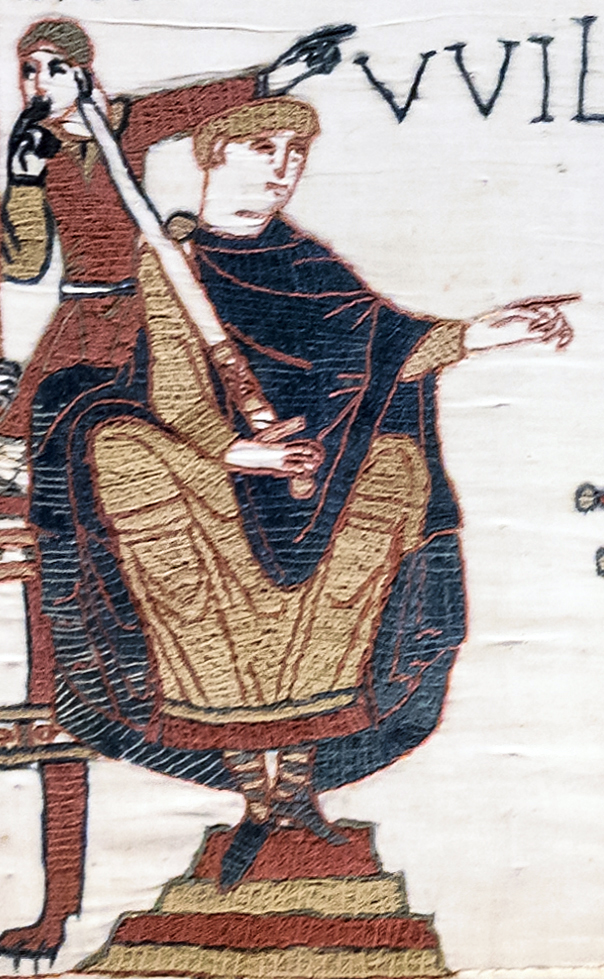
The quest for a definitive figure for William de Warenne's net worth is a fascinating journey that often leads to more questions than answers, particularly when consulting common modern sources. If you've been sifting through readily available biographical sketches or general interest articles expecting to find a tidy sum attributed to this prominent Norman magnate, you're likely to encounter a brick wall. This article will explain why such information is elusive in typical contemporary references and guide you through understanding how historians approach the concept of wealth for figures like William de Warenne.
The Elusive Search for William de Warenne's Net Worth in Modern Contexts
Many modern searches for historical figures' financial standing naturally lean towards databases, popular encyclopedias, or even personal biographies. However, when it comes to medieval personages like William de Warenne, first Earl of Surrey and a pivotal figure in the Norman Conquest, the concept of "net worth" simply doesn't translate neatly into modern financial terms. This becomes immediately apparent when examining various information sources.
For instance, attempts to find William de Warenne's net worth in contexts like the historical background of William Land Park in Sacramento, California, or detailed analyses of the name William's meaning and origin, yield no relevant data. These sources, while valuable in their own right, are focused on entirely different subjects. Similarly, contemporary biographies of prominent figures such as William, Prince of Wales, are rich with details about their lives, public roles, and modern financial implications, but they exist in a fundamentally different historical and economic landscape from the 11th century.
The disjunction highlights a critical point: the framework for assessing wealth has evolved dramatically over centuries. Modern biographical data, even for historical figures, often draws from readily quantifiable assets like salaries, investments, and explicit property valuations. Medieval records, however, speak a different language, one focused on land, feudal obligations, and political influence rather than liquid assets or market capitalisation. This is precisely why a direct "net worth" figure for someone like William de Warenne is absent from the kinds of sources one might typically consult for modern financial insights. For further context on this challenge, you might find William de Warenne Net Worth: Context Lacks Details a useful read.
Why "Net Worth" is an Anachronistic Concept for Medieval Figures
To truly understand the "wealth" of a figure like William de Warenne, we must first divest ourselves of modern financial terminology. The term "net worth," encompassing cash, investments, and other liquid assets minus liabilities, is a construct of contemporary capitalism. In the 11th century, the economic landscape of England and Normandy was fundamentally different, governed by feudalism, land tenure, and agricultural production.
The Pillars of Medieval Wealth: Land, Loyalty, and Power
- Land Ownership: For William de Warenne and his contemporaries, land was the ultimate measure of wealth, power, and social standing. It wasn't just property; it was the source of all economic activity, providing income from rents, agricultural produce, and resources. Control over land also meant control over people – tenants, serfs, and free peasants who worked the land and owed allegiance and service.
- Feudal Holdings: William de Warenne received vast tracts of land from William the Conqueror as a reward for his loyalty and military service during the Norman Conquest. These grants, often fragmented across different counties, formed the basis of his barony and later, the Earldom of Surrey. His "wealth" was intrinsically tied to the extent and productivity of these holdings.
- Revenues and Resources: Income for a magnate came from various sources linked to his land: rents (often in kind rather than cash), profits from mills, markets, courts, and tolls. He also had rights to forests, fisheries, and other natural resources.
- Military and Political Influence: Wealth was not solely economic; it was also political and military. A powerful lord like de Warenne commanded knights and soldiers, held judicial authority, and wielded significant influence at court. These aspects, while not directly financial, were inseparable from his overall power and standing, which modern sensibilities might equate to a form of "capital."
- Building and Patronage: Evidence of a magnate's wealth also lay in their ability to construct impressive castles (like Lewes Castle), found monasteries (such as Lewes Priory), and maintain a large household. These were not mere expenditures but visible demonstrations of power and enduring legacies.
The lack of a centralized monetary system, standardized accounting practices, and the modern concept of liquid investments makes it virtually impossible to assign a single, quantifiable "net worth" to a medieval figure. Their "fortune" was a complex web of rights, obligations, and territorial control.
What We Can Infer About William de Warenne's Wealth and Influence
While a modern "net worth" figure remains elusive, historical records do allow us to appreciate the immense wealth and power wielded by William I de Warenne. He was not merely rich; he was one of the most significant and influential figures in post-Conquest England.
William I de Warenne: A Post-Conquest Magnate
Born in Normandy, William de Warenne was a trusted companion and relative of William the Conqueror. His participation in the successful invasion of England in 1066 earned him immense rewards. He was granted extensive lands across England, primarily concentrated in Sussex, Norfolk, Yorkshire, and Suffolk. These grants were strategic, allowing the Conqueror to solidify his control through loyal lieutenants.
- Land Holdings: Historical analyses, particularly drawing from the Domesday Book, reveal that William de Warenne held vast estates, making him one of the wealthiest tenants-in-chief in the new Norman administration. His holdings were so substantial that they formed the basis of what would become the Earldom of Surrey, a powerful aristocratic title.
- Domesday Book Insights: The Domesday Book, commissioned in 1085 by William the Conqueror, provides an invaluable, albeit incomplete, snapshot of land ownership and resources across England. It records who held what land, how much it was worth (often in pre-Conquest and post-Conquest values, usually in pounds sterling), and its various assets like ploughlands, mills, and serfs. While it doesn't calculate a "net worth," it allows historians to gauge the relative wealth and income-generating potential of a lord's holdings. William de Warenne's extensive entries in this survey are a testament to his considerable territorial power.
- Status and Titles: His elevation to the Earldom of Surrey by William II Rufus around 1088 further cemented his position as a premier magnate. An earldom was not just a title; it came with significant political and social prestige, as well as specific rights and revenues over a given area.
In essence, William de Warenne's wealth was measured by the hundreds of manors he controlled, the thousands of pounds sterling his lands generated annually (a colossal sum for the era), the military forces he could muster, and his close proximity to royal power. He lived in an era where power and prosperity were inextricably linked to land and lineage.
Where to Find Insights into Historical Magnate Fortunes
For those genuinely interested in understanding the economic standing of historical figures like William de Warenne, the search requires moving beyond general search engines and into specialized historical research. Here's where to look for meaningful insights into medieval wealth:
- Academic Historical Texts: Look for peer-reviewed books and articles on the Norman Conquest, Domesday Book studies, and biographies of prominent Norman barons. Historians have extensively analyzed the extent of land grants and their estimated values.
- Specialized Databases and Archives: University libraries and historical societies often house or provide access to medieval charters, rolls, and other primary sources. While not providing a "net worth" figure, these documents detail land transactions, feudal obligations, and revenues.
- Feudal Studies and Economic Histories: These academic fields focus specifically on the economic systems of the Middle Ages. They help contextualize how wealth was accrued, maintained, and passed down through generations.
- Genealogical and Prosopographical Studies: These studies trace family histories and the lives of individuals, often detailing their land holdings and influence, which are proxies for wealth.
Remember, the goal in these sources won't be a single modern financial figure, but rather a robust understanding of the extent of land holdings, the revenue potential of those lands, and the political and social power that accompanied such extensive possessions. The challenge lies not in finding the data, but in interpreting it within its correct historical and economic framework. As noted in No William de Warenne Wealth Data in Provided Biographies, general biographies often lack this specific, deeply contextualized financial detail.
Conclusion
While the contemporary query for William de Warenne's net worth is understandable, it's a search for a concept that simply didn't exist in the 11th century. Modern financial metrics are ill-suited to quantify the wealth of a medieval magnate whose power stemmed from vast landholdings, feudal allegiances, and political influence. Instead of a discrete monetary sum, William de Warenne's immense fortune was expressed through the hundreds of manors he controlled, the strategic castles he built, the monasteries he endowed, and his unwavering loyalty to the Crown. To truly appreciate his wealth, one must delve into the rich tapestry of medieval history, understanding land as the ultimate currency and power as the most valuable asset.
